Fukuoka with Kids: The Honest Guide to Family Stays, Babies & Three Generations (2026)

Summary
For a family trip to Fukuoka, a city-center whole-house rental is often easier than a hotel: one group per day means no worry about night crying, a kitchen for baby food, a washing machine, and separate bedrooms while the family stays under one roof — around ¥6,000 per person for six, cheaper than multiple hotel rooms. Pace the days to your child's age, let the house be your rainy-day backup, and look up the nearest pediatric clinic before you go. Note that most whole-house rentals (including our two) do not provide cribs or other baby gear — bring your own, or buy consumables like diapers at a local drugstore (as of July 2026).
Why a whole-house rental is easier with kids than a hotel
The worry list for traveling with young children is long: will the night crying disturb the next room, where do I make baby food, what about clothes that get spat up on? A whole-house rental solves most of these directly:
| The worry with kids | Hotel | Whole-house rental |
|---|---|---|
| Night crying / night feeds | Anxiety about the next room | One group per day — the whole house is yours |
| Baby food / warming milk | No kitchen in the room | A kitchen, any time |
| Dirty clothes | Laundry is slow and pricey | A washing machine, done same day |
| Naptime for the adults | Everyone stuck in one room | Kids in the bedroom, adults in the living room |
| Stroller and luggage | Nowhere to put it | Room to spare in the entryway and living room |
In a phrase: a hotel rents you a room; a whole-house rental moves your household to Fukuoka. Not having to bend your child's rhythm — naps, meals, bath time — to a hotel's schedule is the biggest difference.
A room plan for three generations (3 bedrooms)
City-center rentals in Fukuoka typically have three bedrooms and sleep 6–7, which fits three generations neatly. A real-world split:
| Room | Who | Why it works |
|---|---|---|
| Bedroom 1 | Grandparents | Different sleep schedules don't collide |
| Bedroom 2 | Parents + baby | No walking a dark hallway for the night feed |
| Bedroom 3 | Older child (or aunt/uncle) | School-age kids get a room of their own |
Everyone gathers in the living room by day and eats at one table — "sleep apart, live together" is the three-generation shape only a house allows. Before booking, check the number of toilets and wash basins (one toilet for six means a morning queue).
Pace the trip to your child's age: 0 to preschool
The most common mistake with kids isn't the choice of lodging — it's not matching the pace of the itinerary to the child's age. Below is honest pacing guidance, not a must-see checklist.
| Age | Itinerary pace | What to watch for in the stay |
|---|---|---|
| 0–1 (infant) | Keep it loose. One daytime spot, the rest near the stay. Feed and diaper frequency dictate your range | Kitchen (warming milk, sterilizing) + washing machine (spit-up) are hard needs. Elevator and station access matter more than the number of sights |
| 1–3 (toddler) | Short attention span — alternate "one outdoor, one indoor," avoid a full day outside | Living-room space to crawl and explore. The no-disturbing-neighbors advantage of a private house matters most at this age |
| 3–6 (preschool) | Longer days are fine — markets, aquariums, parks land well, and kids start to remember the trip | They start wanting their own space; three separate bedrooms help at this age |
| 6+ | Nearly an adult pace; they can even help plan | For three-generation trips, this age pairs well sharing a room with siblings or cousins |
The shared rule: make "one or two things a day" your default. Spend the spare time on your child's rhythm, not on cramming in more sights.
The rainy-day backup: the house itself is Plan B
Rain can hit Fukuoka in any season (especially the June rainy season), and the family's nightmare is a ruined plan and everyone stuck in a small hotel room. A whole-house rental is an advantage here:
- No need to force yourselves out: a large living room lets kids play or watch TV while adults rest in shifts
- A proper lunch from the kitchen, without hunting for a restaurant and queueing in the rain
- Indoor spots as a half-day fallback: Fukuoka has indoor facilities like aquariums and science museums, plus kids' play areas inside large malls. List two or three rainy-day options before you go and decide on arrival by the weather (check exact hours and details on official sites)
- If it's still raining at night, keeping a child quiet is hard in a hotel room; in a house, kids can be in the bedroom and adults in the living room, ending the day without disturbing each other
The honest list: baby gear the rental does NOT provide
Here's the honest part: most whole-house rentals don't provide baby gear, and our own Kiyokawa and Takasago don't either. Rather than discover it on arrival, prepare from this table:
| Item | Recommended approach |
|---|---|
| Crib / bed rail | Bring a portable bed mat, or co-sleep on the wall side of the adult bed (judge safety yourself) |
| Baby bath | Usually not provided. Use the wash basin or bring a fold-up tub |
| Sterilizer / bottle brush | Bring your own — the kitchen means you can boil-sterilize |
| Diapers / wipes | Don't over-pack — buy at a nearby drugstore after arrival |
| Baby food | Japanese supermarkets and drugstores have a wide range of ready-made baby food |
| High chair | Usually not provided. A portable chair-belt works for kids used to sitting |
What the rental DOES have (no need to pack)
Conversely, these come standard with a whole-house rental — no need to bring them, so pack lighter:
| Amenity | Use on a family trip |
|---|---|
| Full kitchen (stove, pots, rice cooker, microwave) | Warming milk, baby food, simple cooking |
| Washing machine | Spit-up and dirty clothes washed and dried same day |
| Large fridge | Chilling breast milk, fruit, yogurt |
| Electric kettle | Hot water for formula and sterilizing, any time |
| Living room + dining table | Family meals together, space for kids to move |
The kitchen and washing machine are a whole-house rental's biggest value for family travel — two things hotel rooms almost never have, yet you use every day with kids.
Buy consumables like diapers at Fukuoka's plentiful city-center drugstores (Daikoku Drug, Matsumoto Kiyoshi, all over town) — it halves your luggage and often costs less than at home.
Kitchen + market = the answer to the baby-food problem
A whole-house rental has a kitchen, and central Fukuoka has "Hakata's kitchen," Yanagibashi Market (about 7–10 minutes on foot from our Kiyokawa). Walk over in the morning, buy fresh ingredients, and cook baby food or the family dinner back home — the hard problem of eating out every meal with kids gets solved at "home."
Supermarkets and convenience stores are within walking distance too, so "kid staples" like milk, yogurt, and bananas never run out.
Getting around: strollers and whether you need a car
- No rental car for city sightseeing — Tenjin, Hakata, and Nakasu are reachable by subway plus taxi. Fukuoka taxis are handy for short hops, and boarding with a stroller is an everyday sight
- Subways have elevators — the main stations pose no problem for stroller travel
- A car only for Itoshima or the coast — if you rent one, choose a stay with parking (city-center coin lots can run several thousand yen a day)
If your child feels unwell: know where to ask, in advance
What unnerves parents most on an overseas trip with kids isn't the itinerary — it's "what if there's a fever at 2 a.m." Honestly:
- Many of Fukuoka's city-center drugstores (Daikoku Drug, Matsumoto Kiyoshi, etc.) have a pharmacist, and for mild symptoms (fever, upset stomach) you can consult and buy over-the-counter medicine
- Pediatric clinics and after-hours emergency centers vary by area, so before you go, map-search your stay's address plus "小児科" (pediatrics) or "夜間急病センター" (night emergency center), confirm the nearest one or two and their hours, and save them on your phone
- Make sure your travel insurance covers overseas care; check the coverage and emergency number before departure
- If language worries you, most clinic reception desks can help with simple communication; an offline translation-app dictionary is a practical backup too
There's no one-size-fits-all answer here, but "look up the nearest medical options before you go" matters more than any packing list.
Family-friendly houses in central Fukuoka: the two yah.homes properties
The two newly built houses at yah.homes were designed with family travel in mind:
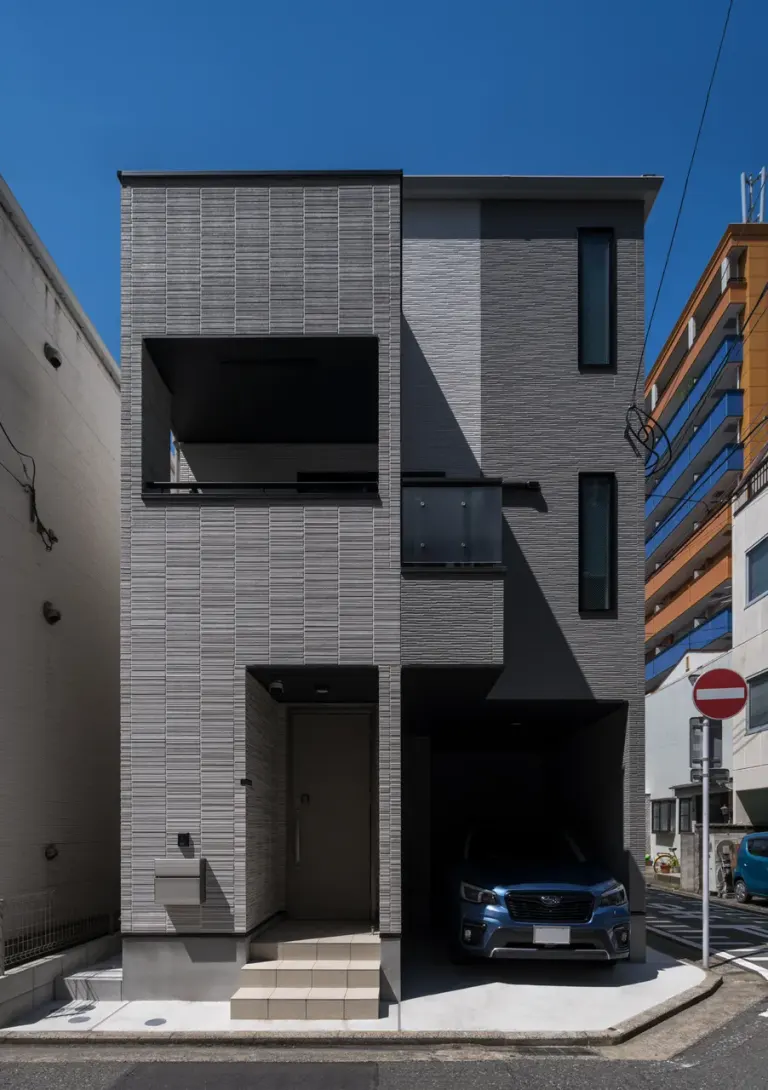
- Kiyokawa (sleeps 7) — Three bedrooms, so the three-generation room plan above applies directly. Private parking (easy for car-renting families), 7–10 minutes on foot to Yanagibashi Market, and the Naka River promenade right there — just the right distance for a stroller walk.
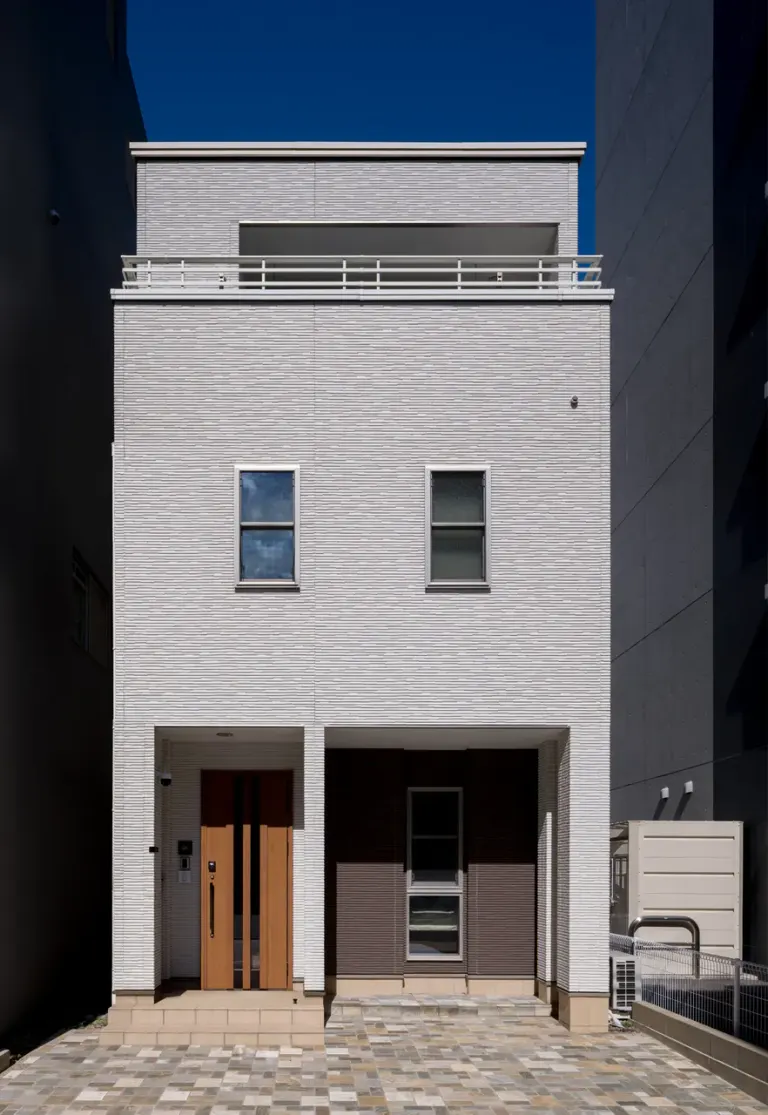
- Takasago (sleeps 6) — 5–10 minutes on foot from Watanabe-dori Station. Three wash basins keep the family's morning from jamming. Parking fits large vehicles.
Both are one-group-per-day and fully private (night crying, no worries), newly built, with keyless self check-in — no queuing at a front desk while carrying a sleeping child. Simmons mattresses in every bedroom. Baby gear is not provided, so please prepare using the list above.
Summary
What a whole-house rental solves for a family trip to Fukuoka is the "living" part: no apologizing for night crying, baby food from the kitchen, dirty clothes into the washer, three generations in separate rooms. Pace the days to your child's age, let the house itself be your rainy-day plan, and look up the nearest clinic before you go. What you prepare yourself is baby gear (usually not provided; buy consumables at a local drugstore). The city works without a car, by stroller — Fukuoka is a very family-friendly city.
For lodging-type comparisons, see the Fukuoka whole-house rental guide; for choosing an area, Where to Stay in Fukuoka: Tenjin or Hakata.
Related guides
- Renting a Whole House in Fukuoka: How It Works, Prices, and How to Book
- The 4–6 People Can't Share One Hotel Room Problem in Fukuoka — Why a Whole-House Beats Two Hotel Rooms
- A Family Summer Trip to Fukuoka on Marine Day — Base Yourself in a City Whole-House Rental and Drive to the Beaches of Itoshima and Fukutsu
- For Long Stays & Workation in Fukuoka, Choose a Whole-House Rental with a Kitchen — Cook Your Own Meals and Save
FAQ
Does a whole-house rental provide a crib for a baby?
Most whole-house rentals don't provide cribs, bed rails, or baby baths (our Kiyokawa and Takasago don't either). Bring a portable bed mat, and buy consumables like diapers and wipes at a nearby drugstore after arrival. Confirm the amenities by message before booking to be sure.
Will my child's night crying disturb others?
A whole-house rental is one group per day with the whole building to yourselves, so night crying never reaches other guests — the top reason families choose a house. Just avoid loud noise outdoors late at night (the neighbors are ordinary residents).
Can three generations of 6–7 stay in central Fukuoka?
Yes. City-center rentals typically have three bedrooms and sleep 6–7, so you can split into grandparents, parents-plus-baby, and older child. Check the number of toilets and wash basins when booking so mornings don't jam up.
Do I need a rental car for a family trip to Fukuoka?
Not for city sightseeing. Fukuoka is compact — Tenjin, Hakata, and Nakasu are reachable by subway plus taxi, and stroller travel is no problem. If you rent a car only for Itoshima or the coast, choose a stay with parking to avoid parking costs.
A rainy day with kids in Fukuoka — is there an indoor backup?
Yes. Fukuoka has indoor facilities like aquariums and science museums, plus kids' play areas in large malls, as rainy-day options. The house itself is also a good backup — on a rainy day you can skip going out, cook lunch in the kitchen, let kids nap, and decide the afternoon by the weather. It's far more comfortable than a hotel room.
From what age is Fukuoka suitable for children?
Every age has its own way to enjoy it. For infants (0–1), build the trip around the comfort of a house and keep the pace loose; for toddlers (1–3), Fukuoka's subway elevators and short hops are gentle; for preschool and up (3+), aquariums, parks, and market walks all land well. It's less about an age limit than pacing the itinerary to your child.
Which is gentler on a child's routine — a house or a hotel?
A whole-house rental is gentler. In a hotel, the whole family is stuck in one room at naptime with the next room to consider; in a house, the child sleeps in the bedroom while adults stay in the living room or sort out luggage, so nobody has to bend their routine to anyone else's.
Stay with yah.homes
yah.homes